Refill to Save: Cutting Costs and Waste at Home

Today we explore the cost and waste savings of refill systems for household essentials, from dish soap and cleaners to shampoo and laundry detergent. We’ll compare price-per-use, show how packaging shrinks dramatically, and share practical steps for getting started. Expect real examples, easy math, and habits you can adopt this week, plus community ideas to build momentum together.

How Refill Models Reduce Household Spending

Refill systems cut costs by eliminating single-use packaging, shipping less water, and focusing on concentrated formulas that stretch further. When you pay for ingredients instead of bulky bottles, the price per ounce drops, and routine purchases become less frequent. We’ll cover simple calculations, realistic savings ranges, and how a small starter investment pays back quickly. You’ll leave with a clear plan to track receipts, compare options, and celebrate savings month after month.

Packaging Waste You’ll Avoid

Refill systems eliminate repeated purchases of heavy plastic bottles, caps, seals, and multilayer labels that are rarely recycled consistently. Concentrates and tablets come in lighter packaging, often paper-based or minimal pouches. By refilling, you keep containers in service for years, breaking the cycle of single-use waste. The reduction is visible under your sink and in your curbside bin, and it compounds as you add more categories to your refill routine.

Smart Refill Systems for the Kitchen

The kitchen is a natural starting point because you use soaps and surface cleaners daily. Concentrates and tablets dilute easily with tap water and deliver consistent performance. Clear containers, a small funnel, and a measuring line make mixes effortless. Store refills in a cool cabinet, label them clearly, and keep one ready-to-use bottle at the sink. With a simple routine, you’ll slash clutter, stabilize spending, and maintain spotless counters without constant store runs.

Dish Soap Concentrates That Stretch Farther Than Expected

A concentrated dish soap can be portioned into a small dispenser and topped with water for weeks of washing. The cost per sink-full drops because the active ingredients do the work, not the added water. Pick a scent you love to elevate the experience. Track how long each mix lasts and adjust the ratio for your local water hardness. Over a season, you’ll refine the formula and enjoy both sparkling dishes and measurable savings.

Multi-Surface Cleaners in Effervescent Tablet Formats

Effervescent tablets simplify refills by dissolving into a reusable spray bottle. One small packet replaces multiple plastic bottles and ships with a fraction of the weight. The cleaner is effective on counters, handles, and appliance fronts when used as directed. Keep tablets in a dry jar to prevent moisture issues. For households with kids, involve them in the safe, supervised mixing process, turning routine chores into a moment of learning about resourcefulness and stewardship.

Bathroom and Laundry Upgrades

Personal care and laundry products offer major opportunities for savings because concentrations are high and usage is steady. By choosing refill pouches, tablets, bars, or powder, you slash plastic and stretch your budget. Matching the product format to your habits is crucial, whether you prefer shampoo concentrates or solid bars. Test one swap at a time, measure comfort and performance, then roll out the winners. Consistency builds confidence, and confidence keeps the refills flowing.
Concentrated shampoos and conditioners reduce packaging dramatically, and solid bars cut it even further. They’re travel-friendly, often last longer per ounce, and perform well when stored dry between uses. A simple draining dish preserves the bar. Track how many washes you get to compare value accurately. If hair type is particular, experiment with small sizes first. Once dialed in, you’ll save money, free shower space, and avoid a parade of disposable bottles each month.
Toothpaste tablets arrive in minimal containers and provide consistent portioning, preventing wasteful squeezing or overuse. Pair them with a concentrated mouthwash you dilute in a reusable bottle, cutting plastic and shipping weight substantially. The routine is quick to learn and surprisingly pleasant once you find a flavor you like. Keep a small travel tin for trips, avoiding last-minute purchases. Your sink area becomes cleaner, your bin lighter, and your budget more predictable throughout the year.
Laundry strips and concentrated powders remove water weight from traditional liquid jugs and minimize bulky plastic. A measured scoop or single strip prevents overdosing, which saves product and protects fabric. Store refills in an airtight container to keep them fresh. For large households, track loads per pack to understand true cost per wash. Over several months, you’ll see clearer numbers, less recycling overflow, and a calmer laundry space with less clutter and frustration.

Setting Up a Home Refill Station

Create a simple, central place for storage, mixing, and labeling. A shallow bin or shelf with a funnel, measuring cup, and cloth for spills keeps everything smooth and safe. Place frequently used items at eye level and stash backup refills below. Align refill day with your calendar, perhaps after payday or on the first Saturday. When the system is visible and pleasant, everyone in the household participates naturally, and refilling becomes part of normal routines.

Durable Containers, Pumps, and Materials That Last

Choose containers that resist cracking, staining, and odor retention. Glass with silicone sleeves or rugged HDPE bottles are popular, and stainless steel excels for durability. Match pumps and sprayers to viscosity, ensuring smooth dispensing without leaks. Keep a small brush for cleaning threads and nozzles. Over time, this hardware pays back by avoiding constant replacements. Straightforward, reliable tools make refilling satisfying, which keeps the cycle going and protects the savings you carefully build.

Labeling, Dates, and Safe Dilution Ratios

Clear labels prevent mix-ups and accidental overuse. Include product name, dilution ratio, and the date you mixed it. A fine-tip marker on waterproof labels works well, or print cards for uniformity. Keep a reference card with ratios for quick checks. If kids help, color-code bottles to reinforce safety. Accurate labeling preserves product performance, reduces waste from mistaken mixes, and reassures guests or roommates who may be learning the system alongside you.

Safety, Storage, and Childproof Considerations

Store concentrates out of reach of children and pets, preferably in a cabinet with a latch. Keep original packaging or instructions for reference, and avoid mixing incompatible chemicals. Ventilate when diluting strong cleaners. For apartments, use a labeled caddy that can be tucked away quickly. A minute spent organizing prevents spills and confusion later. With a thoughtful setup, you get convenience and peace of mind while protecting everyone who shares your space.

Motivation, Habits, and Community Momentum
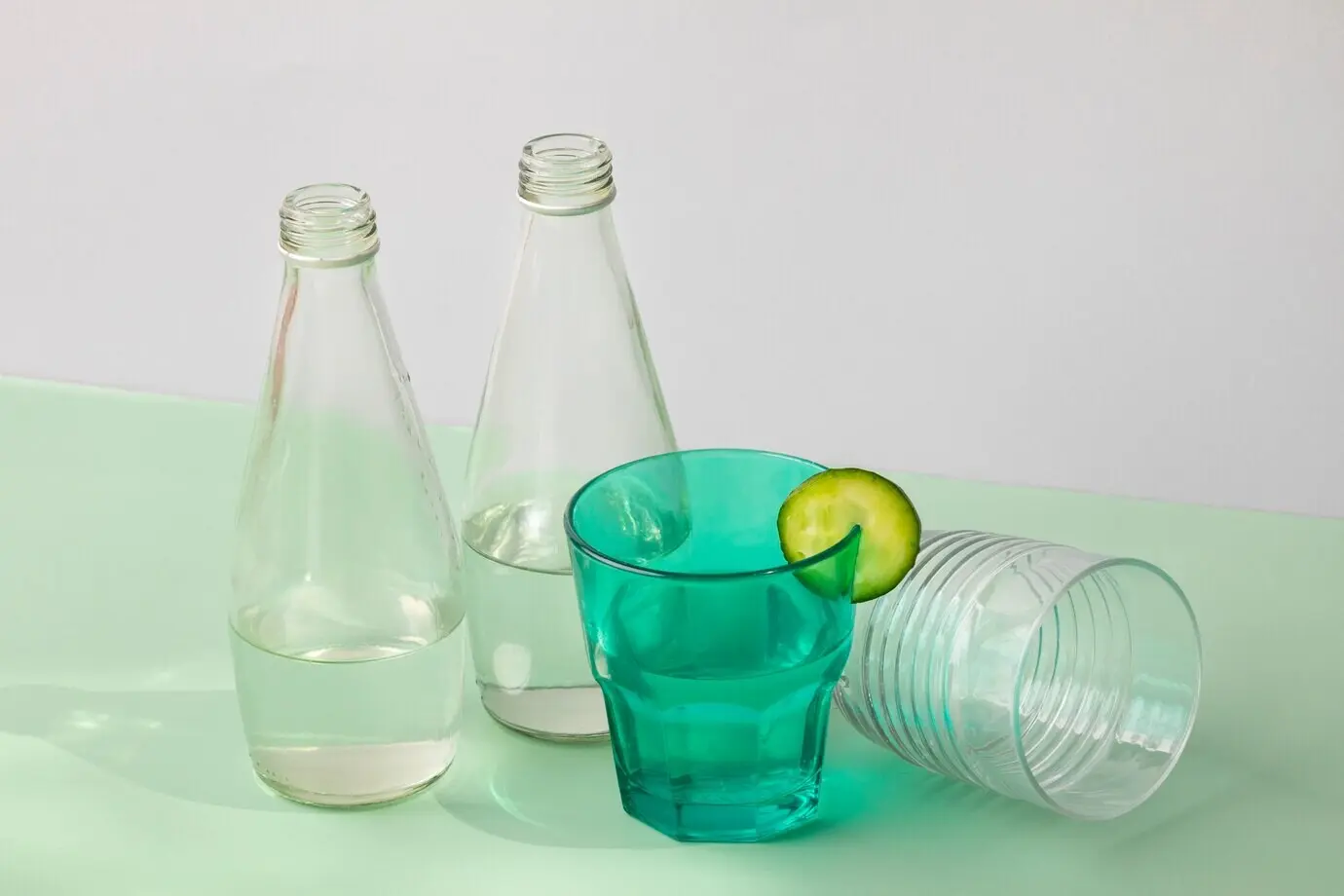
Financial wins feel great, but the real magic is habit formation. Start with one product, track savings for a month, then add another. Celebrate milestones publicly to inspire friends and neighbors. Share photos of your tidy refill setup and invite questions. Consider a friendly challenge at work or in a community group. When curiosity meets visible progress, adoption accelerates. Together, small choices become a recognizable shift that lowers bills and brightens weekly routines.
Votarovepofo
Privacy Overview

This website uses cookies so that we can provide you with the best user experience possible. Cookie information is stored in your browser and performs functions such as recognising you when you return to our website and helping our team to understand which sections of the website you find most interesting and useful.